
Environment, Social, Governance
Environment, Social, Governance
Sustainability is at the heart of Alfen. Alfen enables the energy transition with solutions that generate, distribute, and manage electricity responsibly, while actively managing our own ESG impact and working with our value chain to improve our overall impact.


ESG Ratings
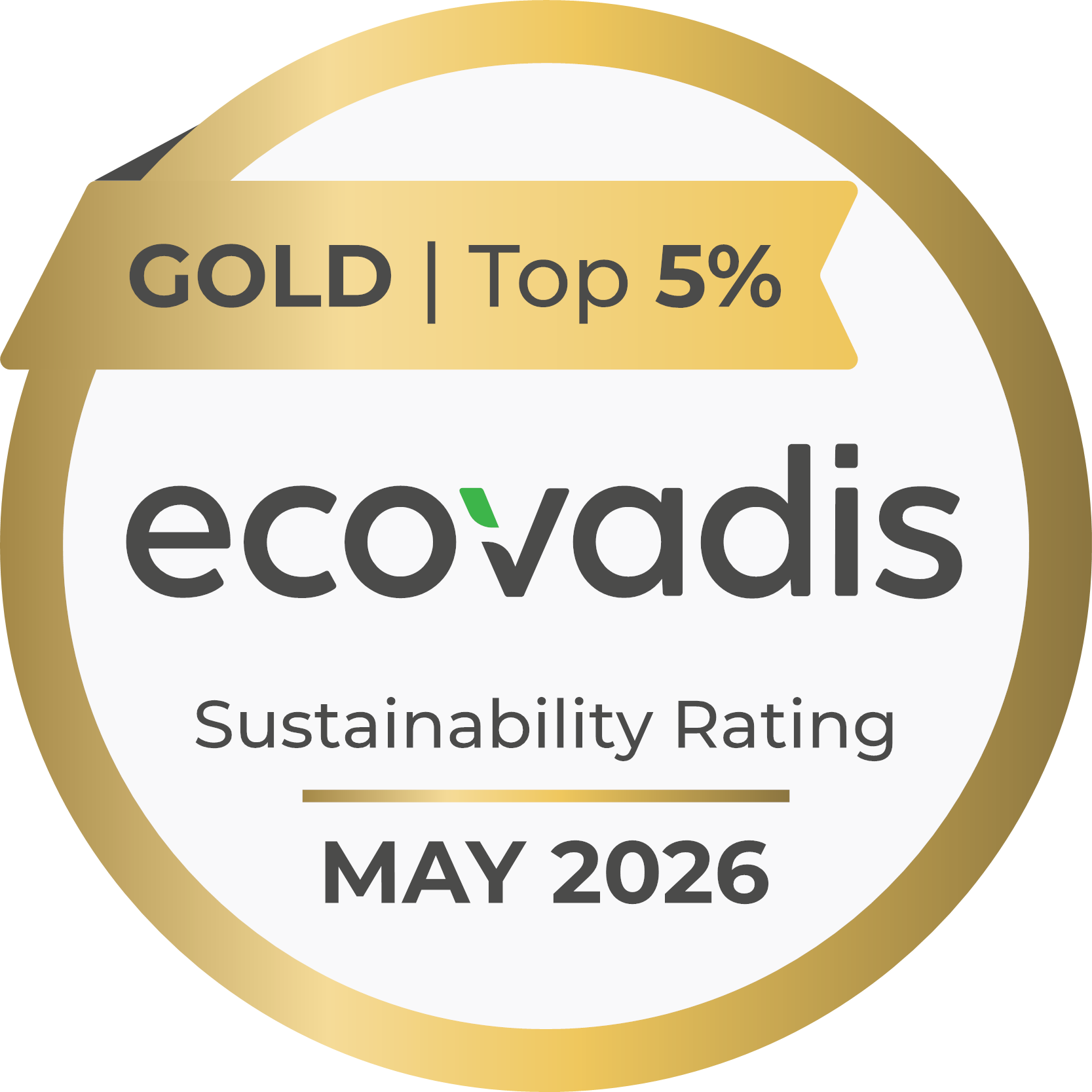
Ecovadis
Alfen was awarded an EcoVadis Gold Medal in May 2026, based on the assessment of our 2025 sustainability information. This recognition places us among companies acknowledged for progress in sustainability practices and reflects our ongoing commitment to improving performance across the four EcoVadis pillars: Environment, Labor & Human Rights, Ethics, and Sustainable Procurement. Our ambition is to further strengthen our sustainability performance in the coming years.

Sustainalytics
Sustainalytics in 2025 recognized Alfen with a score of 20.3 confirming our commitment to managing sustainability risks responsibly and maintaining sound governance practices. This rating supports our focus on integrating ESG considerations into our strategy and operations, while continuously striving to strengthen our performance and resilience.

CDP
In 2025, Alfen reported to CDP using 2024 climate and environmental data, reinforcing our commitment to transparency and continuous improvement. More detailed information on our disclosure and results is available via the CDP portal.
Our commitments

UN Global Compact
Since 2024, Alfen has been a participant of the UN Global Compact, committing to its Ten Principles and the Sustainable Development Goals. Through our annual Communication on Progress, we measure and demonstrate our sustainability performance, gain insights to improve year by year, and benchmark ourselves against peers worldwide.

SBTI
Alfen has committed to the Science Based Targets initiative with approved near- and long-term targets aligned to limiting global warming to 1.5°C. Our validated targets guide us in reducing greenhouse gas emissions across our value chain and achieving net-zero by 2050.