Home subsidies: How EV incentives are evolving across Europe
European incentive programmes are becoming more targeted as EV adoption grows and technology matures. Support is increasingly addressing different parts of the transition, from vehicle affordability and European manufacturing to the charging infrastructure and energy systems needed to support more EVs.
Spain’s new Auto+ programme is one example of this development. Auto+ is designed to run until the end of 2030, with €400 million allocated for 2026. For passenger cars, private buyers can receive up to €4,500. The level of support depends on several factors, including the degree of vehicle electrification and purchase price. Battery-electric vehicles can receive a larger contribution than plug-in hybrids, while more affordable vehicles can qualify for greater support.
The programme also takes European vehicle assembly and qualifying battery production into account, connecting EV adoption with wider priorities around European manufacturing and battery supply chains. Its structure reflects how vehicle incentives are developing alongside the market, addressing affordability, electrification and the industrial base behind EV production.
Across Europe, support is expanding around the vehicle
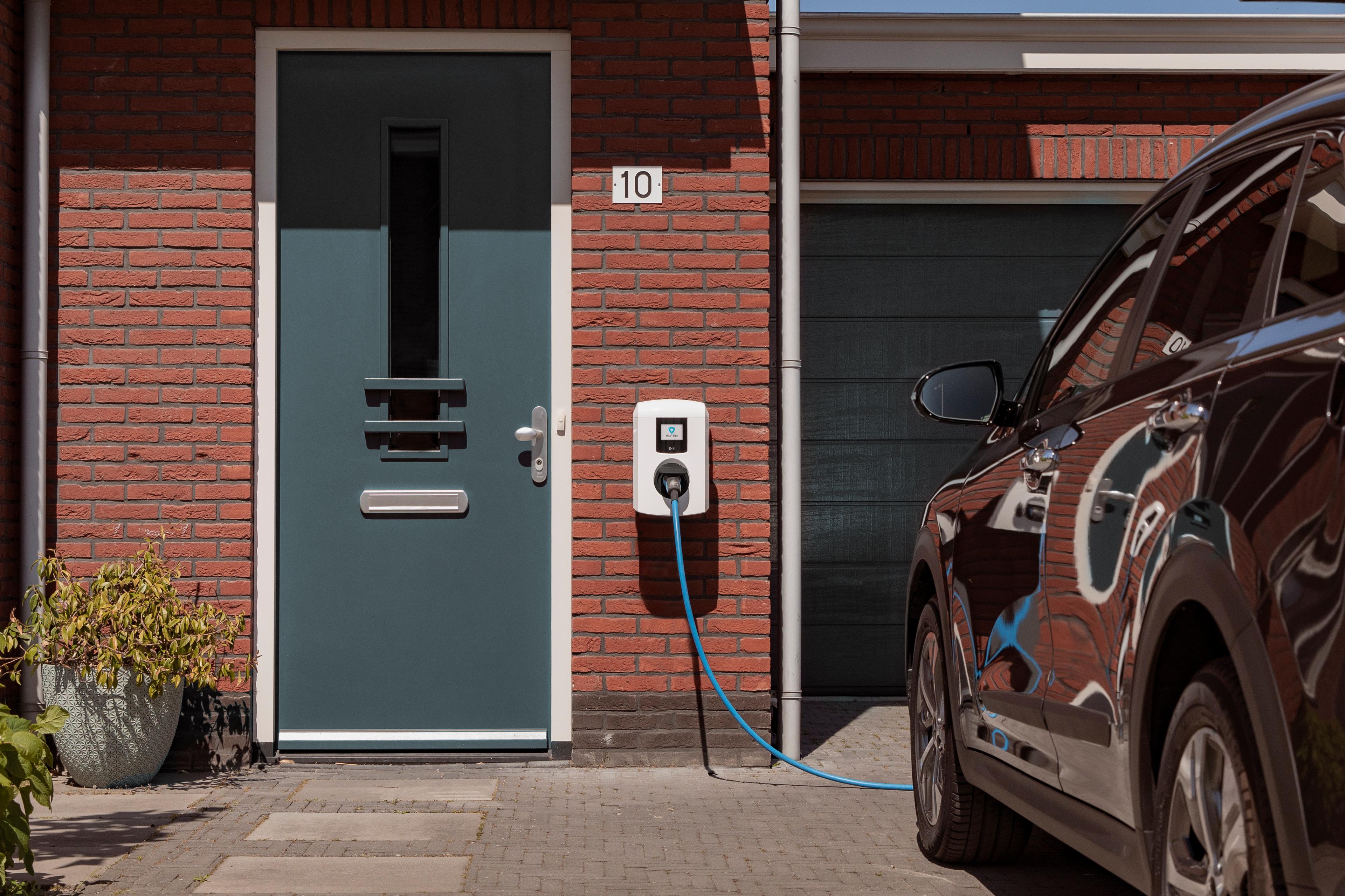
The wider European picture extends into charging infrastructure. Countries are taking different approaches to residential charging incentives, with a growing number of programmes covering elements of the wider installation alongside individual charge points.
Germany, for example, launched a €500 million programme in 2026 for charging infrastructure in and around multi-unit residential buildings. Eligible measures include wallboxes, technical equipment, grid connections, construction work and the preparation of parking spaces for future charging. France’s Advenir programme supports individual and shared charge points as well as collective charging infrastructure in apartment buildings. Ireland’s apartment charging scheme can contribute towards electrical infrastructure, cabling, electrical connections, design and the installation of charge points.
The range of measures shows growing attention to the building infrastructure required to support residential EV charging.
Some programmes are also beginning to include technical requirements around smart functionality and communication. Luxembourg, for example, includes requirements relating to open communication protocols (OCPP) or shared smart charge-management systems for eligible installations.
As more vehicles connect to residential electrical systems, managing available capacity becomes increasingly important. Smart load management can distribute power between vehicles and help charging infrastructure operate within the limits of the building’s electrical connection.
Supporting a wider EV ecosystem
The direction of EV policy is broadening. Spain’s Auto+ programme addresses vehicle adoption, affordability and elements of European manufacturing, while charging programmes elsewhere are helping prepare residential buildings for increasing EV demand. Smart charging technologies can also help manage that demand within buildings and the wider electricity system.
This brings three parts of the transition increasingly close together: the vehicle, the building and the energy system.
At Alfen, we see this broader perspective reflected across the market, with installers, policymakers and property stakeholders increasingly considering how charging fits within the wider energy ecosystem. This also shapes how charging technology needs to develop, particularly around energy management, scalability and ease of use.
As the European EV market matures, continued adoption will depend on affordable vehicles, accessible charging and infrastructure capable of using available energy efficiently. For drivers, property owners and installers, this means considering both the support available today and the infrastructure needed as electric mobility continues to grow.
Check before proceeding
Incentive budgets, deadlines and eligibility requirements can change, and additional local or regional support may apply. Drivers, property owners and installers should always check the latest official requirements before purchasing equipment or starting installation work.