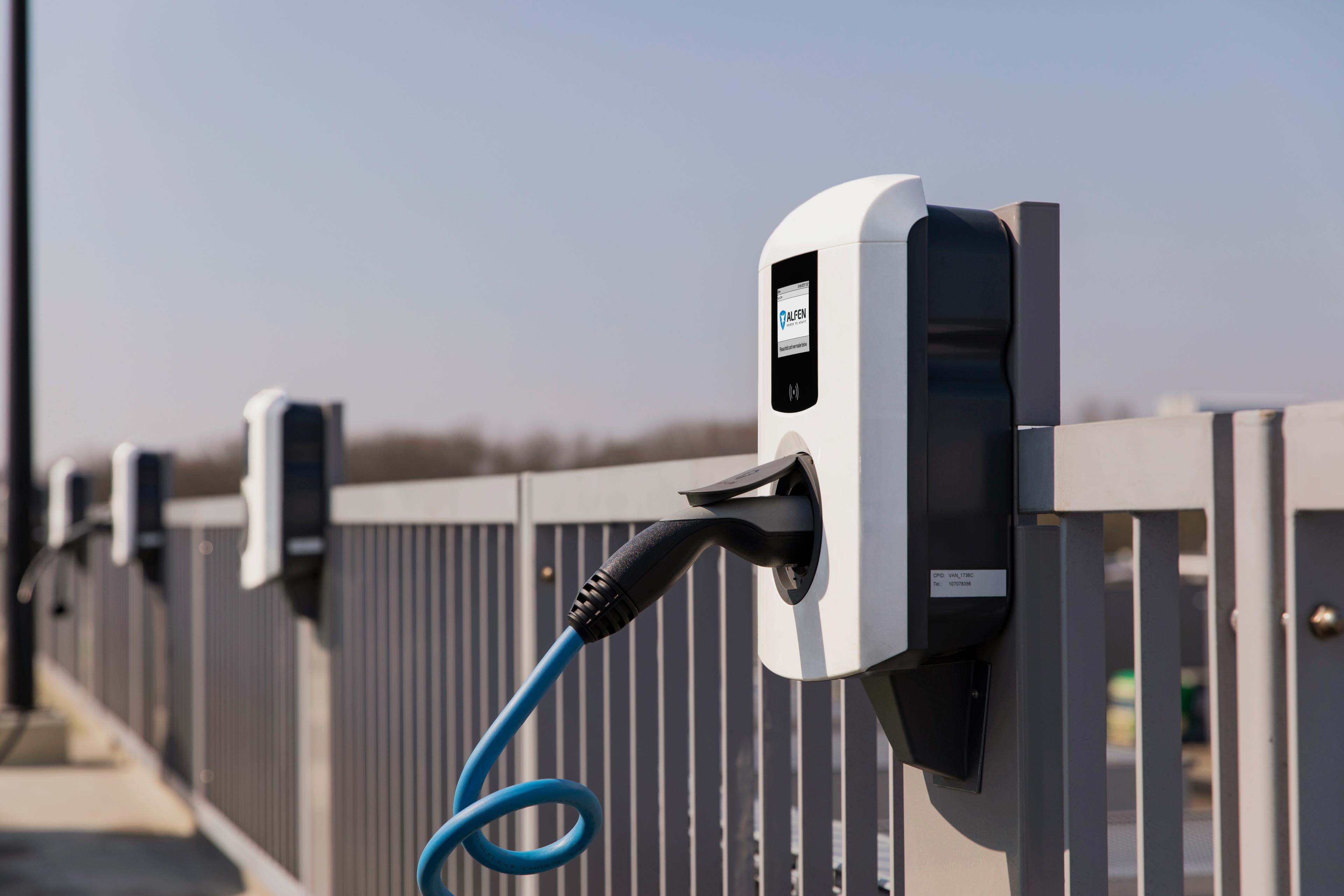
EV Charging Equipment
EPBD: EV charging becomes part of building design
EV charging is no longer something you add to a building later. Under the revised Energy Performance of Buildings Directive (EPBD), it becomes part of the foundation. Across Europe, new buildings, major renovations and existing commercial sites will need to include EV charging infrastructure—or be ready for it. Requirements are becoming more specific, more scalable and more enforceable.
From optional to standard infrastructure
The revised EPBD introduces minimum requirements for EV charging in buildings with parking spaces. The shift is clear: from limited provision towards scalable infrastructure. New residential buildings with more than three parking spaces must include at least one charge point and be pre-cabled for all spaces. For non-residential buildings, requirements scale more directly with usage, with approximately one charge point per five parking spaces. For existing non-residential buildings with more than twenty parking spaces, requirements take effect from 2027. These sites must install charge points at a defined ratio or ensure a significant share of spaces is pre-cabled. This marks a structural shift in how buildings are designed and powered.
Why future readiness becomes central
A key element of the EPBD is pre-cabling. The objective is not only to install chargers today, but to ensure that buildings can scale as demand increases. This changes how projects are approached. Infrastructure must be designed for future capacity—both technically and financially—rather than added incrementally. Buildings that are not prepared for this shift will face higher costs, greater disruption and reduced flexibility over time.
What this means in practice
For installers, EV charging becomes part of standard electrical design. For operators and CPOs, more sites will require scalable, networked solutions that can expand over time. For wholesalers and resellers, demand shifts towards solutions that support integration, load management and future growth. For site owners and fleet managers, the focus moves to planning capacity upfront—avoiding costly retrofits and operational constraints later. This reinforces the need for solutions that combine robust hardware, smart energy management and open integration with backend systems.
Compliance and consequences
The EPBD sets the framework at EU level, but implementation and enforcement take place at national level. Requirements, timelines and penalties will therefore vary by country. What remains consistent is the impact of non-compliance. Projects may face delays in permitting, financial penalties or mandatory upgrades after completion. In addition, buildings that are not EV-ready risk reduced attractiveness, lower utilisation and long-term value loss.
Learn more about the EPBD requirements
The EPBD sets a clear direction for EV charging across Europe, with detailed requirements and timelines defined at EU level and implemented at national level.
To understand the full scope and what applies to your projects, refer to the official European Commission pages:
.png?quality=75&width=3840&auto=webp)